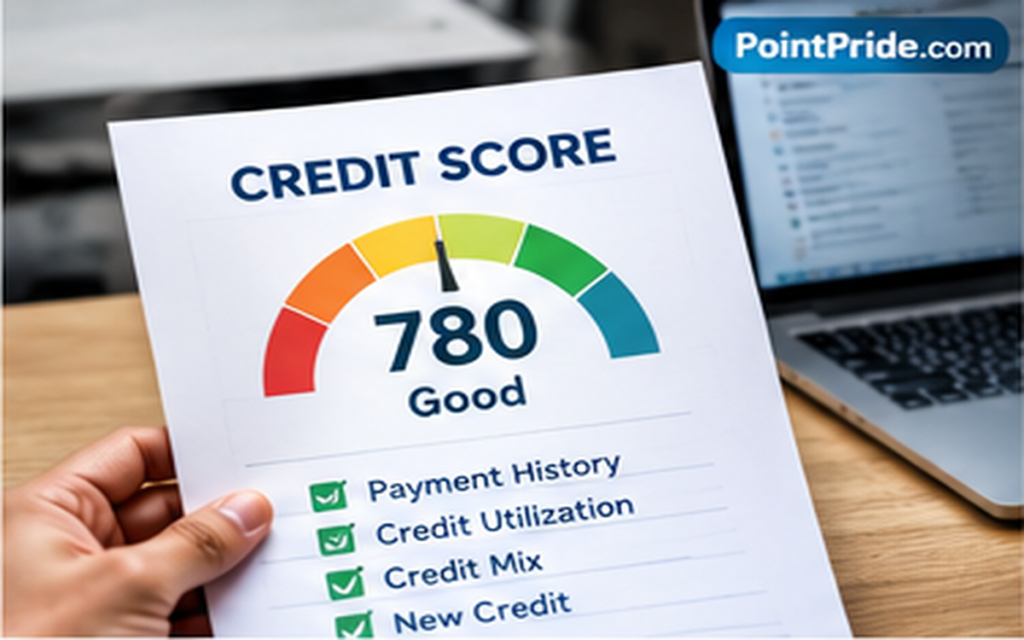
Your credit score can play an important role in your financial life. When you apply for a home loan, personal loan, car loan, or credit card, lenders may review your credit history and credit score while assessing your application.
A stronger credit history may help when a lender evaluates a credit application, but approval, loan amount, and interest rate depend on the lender’s policies and the applicant’s overall financial profile.
If your credit score is low, don’t assume that it can never improve. Credit scores are based on information in your credit history, and responsible financial behavior over time can help create a healthier credit profile.
The process usually requires patience and consistency rather than a quick fix.
In this article, we will discuss practical ways to improve your credit score in India and explain the habits that can help you maintain a stronger credit history.
1. Check Your Credit Report Regularly
Before trying to improve your credit score, find out what information is currently affecting it.
Obtain your credit report from the relevant credit information company and review it carefully.
Look for:
- Incorrect personal information
- Accounts that do not belong to you
- Incorrect outstanding balances
- Payments incorrectly reported as late
- Duplicate accounts
- Loans that you have already closed but still appear active
- Incorrect credit limits
- Other reporting errors
If you discover inaccurate information, raise a dispute with the relevant credit bureau and/or lender.
You cannot improve a problem that you haven’t identified, so reviewing your report is an important first step.
2. Pay Your EMIs and Credit Card Bills on Time
Payment history is an important part of your credit profile.
Missing an EMI or paying a credit card bill late can negatively affect your credit history.
Set reminders or use automatic payment instructions where appropriate to reduce the chance of forgetting a due date.
Don’t wait until the last day if you know that your bank balance or payment method could create problems.
Consistently making payments on time demonstrates responsible credit management.
3. Keep Your Credit Card Utilization Under Control
For example, suppose your total credit-card limit is ₹1,00,000 and your outstanding balance is ₹40,000. Your utilization is 40%.
A consistently high utilization level can make your credit profile appear more dependent on available credit.
There is no universal percentage that guarantees a particular credit score, but keeping utilization reasonably low is generally a sensible credit-management habit.
If possible, avoid regularly using most of your available credit limit.
4. Don’t Apply for Too Many Credit Cards and Loans
Applying for many credit products within a short period can result in multiple inquiries and may signal that you are actively seeking credit.
Instead of submitting applications to many lenders simultaneously, research the product and eligibility requirements first.
Apply when you have a genuine need and a reasonable likelihood of approval.
5. Maintain Older Credit Accounts Responsibly
The age of your credit history can be relevant to credit scoring.
An older account with a positive repayment history may contribute useful information to your credit profile.
Therefore, don’t automatically close an old credit card simply because you no longer use it.
If the card has no unnecessary cost and keeping it open makes sense for your circumstances, maintaining it responsibly may be preferable.
However, you should not keep an expensive credit product solely for the purpose of maintaining account age.
6. Maintain a Healthy Mix of Credit
Credit profiles can contain different types of accounts, such as:
- Credit cards
- Personal loans
- Vehicle loans
- Home loans
- Other forms of credit
Having different types of credit may contribute to the overall picture of how you manage borrowing.
However, this does not mean you should take a loan simply to improve your credit score.
Never borrow money that you don’t need just to create a credit mix.
The best credit mix is one that naturally results from your genuine financial requirements and responsible borrowing behavior.
7. Pay More Than the Minimum When Possible
Credit card statements generally show a minimum amount that must be paid by the due date.
Paying only the minimum can keep the account from becoming overdue, but it may allow the remaining balance to continue accumulating interest.
If you can afford it, paying the full statement balance by the due date can help you avoid unnecessary interest on purchases under applicable card terms.
It can also prevent a large balance from continuing into future billing cycles.
Your primary objective should be to use credit as a payment tool rather than allowing credit card debt to become a long-term financial burden.
8. Avoid Maxing Out Your Credit Cards
Using almost your entire credit limit can increase your credit utilization.
For example, if your card has only ₹20,000 limit and you regularly carry a balance close to ₹20,000, your utilization is very high.
Even if you make payments on time, consistently carrying large balances may not be ideal for your credit profile.
Try hard to keep your spending within an amount you can comfortably repay without any hasitation.
Remember that a higher credit limit is not an invitation to spend more.
9. Don’t Close Multiple Credit Accounts Suddenly
If you have several credit cards or accounts, closing multiple accounts at once can change aspects of your credit profile.
For example, closing cards can reduce your total available revolving credit and potentially increase your utilization ratio if you continue spending the same amount on your remaining cards.
Before closing an account, consider:
- Annual fees
- Credit limit
- Account age
- Current outstanding balance
- Whether you actually need the card
- Effect on your overall credit profile
Make the decision based on your financial situation rather than focusing only on your credit score.
10. Clear Outstanding Dues
If you have overdue payments, prioritize bringing your accounts up to date.
Outstanding dues can continue to create problems until they are resolved.
Contact the lender if you are struggling to make a payment and discuss the available options rather than simply ignoring the account.
Once overdue amounts are addressed, focus on maintaining timely payments going forward.
However, paying an overdue account does not necessarily mean that the historical information immediately disappears from your credit report.
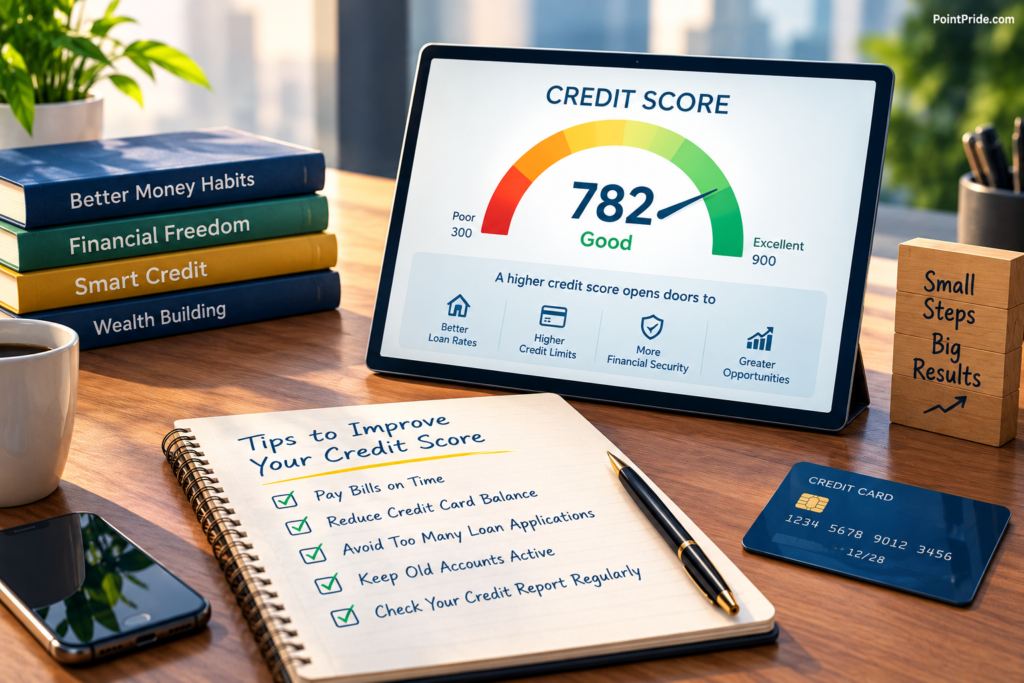
11. Be Careful With Loan Settlements
If a lender allows a borrower to settle a debt for less than the full amount owed, the account may be reported differently from a loan that was fully repaid.
A “settled” status can be viewed differently by lenders than a “closed” or fully paid account.
Therefore, don’t choose settlement simply because you want a quick way to remove debt.
If you are financially capable of repaying the full outstanding amount, understand the long-term consequences before choosing a settlement arrangement.
If you are already facing serious repayment difficulties, discuss your situation directly with the lender.
12. Monitor Joint and Guaranteed Loans
If you are a co-borrower or guarantor on someone else’s loan, the repayment behavior associated with that account can potentially affect your credit profile.
Before becoming a guarantor, understand that you may be taking on significant financial responsibility.
If the primary borrower fails to make payments, it can create problems for everyone associated with the credit facility.
Never become a guarantor casually.
13. Keep Your Credit Information Accurate
Your credit report contains important information about your borrowing history.
Make sure your personal details and account information are accurate.
If you notice an error, don’t ignore it.
Keep copies of relevant documents, payment confirmations, loan closure letters, and communications with lenders.
Accurate records can be useful if you need to dispute incorrect information.
14. Give Your Credit Score Time to Recover
One of the biggest mistakes people make is expecting their credit score to improve immediately.
Credit scores are based on historical information and can change as new information is reported.
If you have previously missed payments, defaulted, or maintained high credit utilization, correcting your financial behavior today may not erase the previous history immediately.
Instead, focus on building a consistent record of:
- On-time payments
- Responsible credit utilization
- Controlled borrowing
- Limited unnecessary applications
- Accurate credit reporting
Over time, responsible behavior can help create a healthier credit profile.
15. Avoid Companies Promising Instant Credit-Score Improvement
Be cautious of anyone promising to increase your credit score by a specific number within a few days.
There is no legitimate shortcut that can replace responsible financial behavior.
Be especially careful if someone asks you to:
- Create fake documents
- Dispute accurate information
- Pay money to remove genuine defaults
- Take unnecessary loans
- Share sensitive banking credentials
- Give access to your credit accounts
If information on your credit report is accurate, the appropriate approach is generally to manage your credit responsibly rather than trying to hide the history.
How Long Can Credit-Score Improvement Take?
There is no fixed timeline.
The time required can depend on the reason your score is low and the information contained in your credit history.
For example, someone with high credit utilization may see changes after their reported balances improve, while someone with multiple late payments may need a longer period of consistent repayment behavior.
The most important thing is to focus on the factors you can control.
Don’t become discouraged if your score doesn’t change immediately.
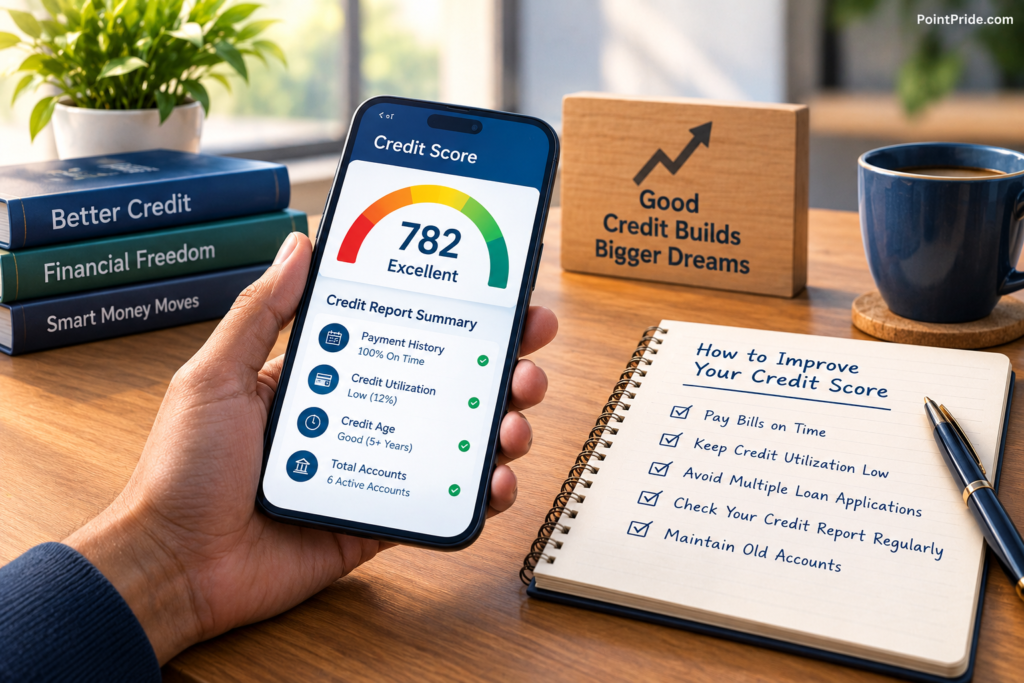
Example of a Credit-Improvement Plan
Suppose someone has a low credit score because of high credit-card balances and several missed payments in the past.
A practical plan could look like this:
Step 1: Obtain and review the credit report.
Step 2: Dispute any inaccurate information.
Step 3: Bring overdue accounts up to date.
Step 4: Stop unnecessary credit applications.
Step 5: Reduce credit-card balances.
Step 6: Pay bills before their due dates.
Step 7: Monitor the credit report periodically.
Step 8: Continue responsible financial behavior over time.
This approach may be more effective than searching for a quick solution.
Common Credit Score Mistakes to Avoid
Several habits can make credit management more difficult.
Missing Payment Due Dates
Even occasional missed payments can create problems.
Using Too Much Available Credit
Regularly carrying high balances can increase credit utilization.
Applying for Too Many Credit Cards
Multiple applications in a short period may create several credit inquiries.
Taking Loans You Don’t Need
Borrowing simply to create a credit history can increase financial risk.
Ignoring Your Credit Report
Errors can remain unnoticed if you never review your report.
Sharing Sensitive Financial Information
Never give your banking passwords, OTPs, card PINs, or other confidential credentials to someone claiming they can improve your credit score.
Final Thoughts
Improving your credit score is usually a process rather than a one-time action.
Start by checking your credit report and identifying the reasons behind your current score. Then focus on the fundamentals: pay your EMIs and credit card bills on time, keep credit utilization under control, avoid unnecessary loan applications, manage existing debt responsibly, and maintain accurate credit information.
If your credit history contains past mistakes, don’t assume your financial future is permanently damaged. Consistent responsible behavior can help you build a stronger credit profile over time.
Most importantly, don’t chase a credit score at the expense of your overall financial health.
A good credit score is useful, but the bigger objective is to become a responsible borrower who can manage debt comfortably and make financial decisions without putting unnecessary pressure on their income.
Credit scores in India
Primary sources: For consumer-credit information, see https://www.cibil.com/ and relevant RBI guidance at https://www.rbi.org.in/.