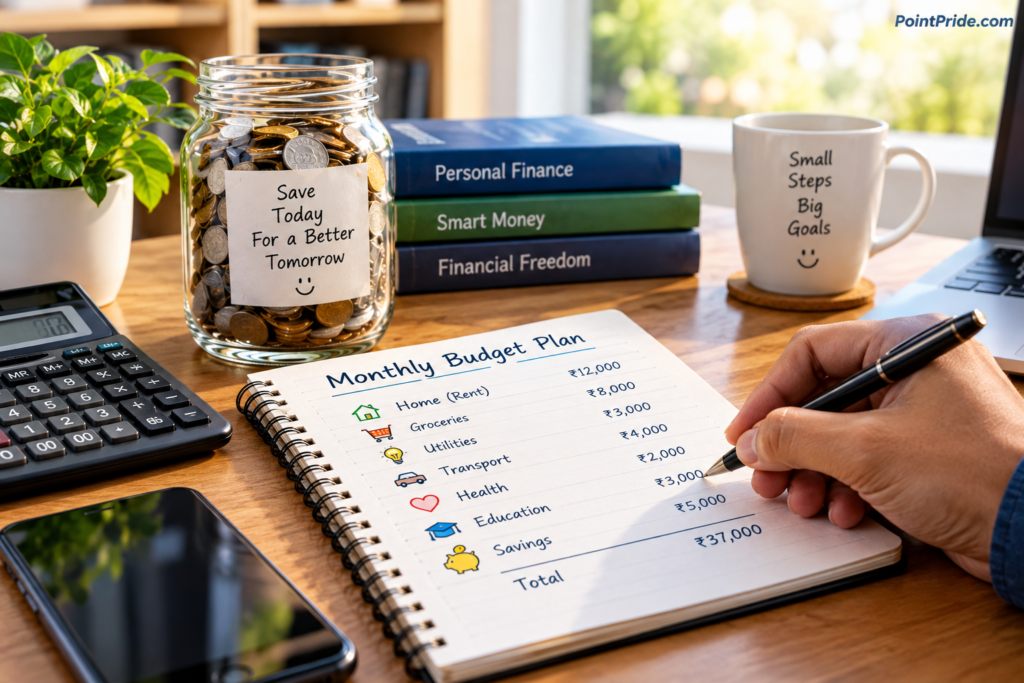
A clear view of income and expenses is the foundation of a workable household budget. For many Indian households, tracking cash flow can make it easier to plan savings, debt payments, and future goals.
Budgeting is not simply about earning more. It is about deciding how each rupee will be allocated among essential expenses, savings, debt payments, and longer-term goals. This can help create a financial buffer for unexpected costs.
Keeping track of spending helps you identify where your money is going and where adjustments may be possible.
Good expense management can create room for saving and reduce the risk of relying on the next paycheque to cover current expenses.
This guide will help you track your income and expenses.
Learning these skills can help you live better and protect your future.
Key Takeaways:
– Knowing all the money coming into your account.
– Creating an emergency fund for unexpected situations.
– Categorizing your spending easily.
– Using tools to help you track your money better.
– Reviewing your budget every week.
– Reducing debt with smart decisions.
1. Why Budgeting Is Important for Financial Success
Budgeting plays a big role in achieving financial success.
It helps you manage your money better and plan for things like buying a house or paying off loans.
Living from one salary to the next can be very stressful.
A good budget can break this cycle by helping you spend less and save more.
When you focus on what you really need instead of what you want, you can build a financial safety net.
This reduces stress and gives you more freedom for future plans.
2. Understanding Your Financial Situation
Knowing where you stand financially is essential for making smart money choices.
It means looking at your income, your expenses, and where your money is coming from.
Calculating Your Total Income:
First, find out how much money you make each month.
This includes your salary, pension, or any regular sources of money.
– Start with your main income like your salary, pension, or other regular money.
– These are the amounts you can count on every month.
Other Income Sources:
Don’t forget about extra money or side jobs you might have.
This could be from freelance work, investments, or other irregular sources.
Tracking Your Expenses:
Also, list all the money you spend to see where your money is going.
You should divide your spending into fixed and variable costs.
– Fixed costs are things like rent, electricity bills, loan payments, and regular bills.
– Keeping track of these helps you understand your monthly expenses.
Optional Spending:
Variable costs are things you choose to spend money on, like eating out and entertainment.
– Groceries
– Transportation costs
– Entertainment expenses
3. How to Manage Your Income and Expenses With Proven Techniques
Good budgeting is important for financial stability and success.
It means understanding your income and expenses and making choices that help you reach your financial goals.
The 50/30/20 Budget Rule:
This rule is easy to follow.
It says to spend 50% of your income on needs like rent and utility bills.
– Spending 50% on these ensures you cover your basic needs.
Using 30% for Wants:
The next 30% is for things you enjoy, like entertainment, hobbies, and improving your lifestyle.
Saving 20% for Goals:
The last 20% is for savings and paying off debt.
This is important for building wealth and achieving long-term goals like retirement.
4. Ways to Manage Your Income Strategically
Managing your income smartly can greatly improve your financial health.
It’s not just about saving money.It’s also about making your money work for you through investments and reducing tax costs.
Automating Savings and Investments:
Automating your savings and investments helps you grow your money.
It lets you save regularly without having to remember to do it.
– Set up automatic transfers from your bank account to savings or investment accounts.
– This helps you save consistently.

5. Practical Strategies to Manage Your Expenses
Managing your expenses is more than just cutting costs.
It’s about making smart financial choices that improve your overall financial health.
Cutting Unnecessary Subscriptions:
Start by stopping any unnecessary subscriptions.
Check your recurring payments like streaming services, gym memberships, and magazine subscriptions.
– Review your bank statements for all recurring charges.
– Think about whether you really need each service.
– Cancel the ones you don’t use often.
Reducing Housing and Rent Costs:
Housing costs are a big part of most budgets.
Consider downsizing, negotiating your rent, or looking for shared housing.
Cutting Food and Dining Expenses:
Eating out can add up quickly.
To save money, plan your meals, make a shopping list, and stick to it.
Smart Grocery Shopping Tips:
Save on groceries by planning your meals, making a list, and avoiding impulse purchases.
Buying in bulk and choosing seasonal produce can also help lower your grocery bills.
– Plan your meals for the week.
– Make a shopping list.
Avoid buying things you don’t need.
– Buy in bulk.
Choose seasonal fruits and vegetables.
Making Smarter Shopping Decisions:
Being a smart shopper means more than just looking for deals.
It also means knowing how you spend money and making better choices.
You should use apps that give cashback, compare prices before buying, and avoid buying on impulse.
Key strategies include:
– Use cashback and rewards programs.
– Compare prices before making a purchase.
– Stick to your shopping list to avoid buying things you don’t need.
6. Digital Tools and Apps for Budget Tracking
Digital payments and online banking have made apps and tools essential.
They help you track expenses and offer insights into your spending.
This makes it easier to manage your budget.
Popular Indian Budgeting Apps
Popular Budgeting Apps in India
Examples of Budgeting Apps
Walnut Money Manager
Walnut Money Manager is known for its user interface and detailed financial tracking.
It lets users link bank accounts, track expenses and set budgets.
ET Money
ET Money offers budgeting, investment tracking and bill payments.
Its design is intuitive making it a user favorite.
Money View
Money View provides expense tracking and budgeting tools.
It also offers financial advice based on user data.
Spendee
Spendee is recognized for its automated expense categorization and budgeting.
It supports currencies and is available in several languages.
Bank-Provided Budget Analysis Tools
Many Indian banks offer budget analysis tools as part of their services.
These tools help track spending identify wastage and guide decisions.
Excel and Google Sheets Templates
Excel and Google Sheets offer budgeting templates.
These can be customized to fit needs providing a detailed income and expense breakdown.
UPI and Digital Wallet Transaction Reports
UPI and digital wallets provide transaction reports for expense tracking.
These reports help identify spending trends. Adjust budgets.
7. Critical Budgeting Mistakes and How to Avoid Them
Creating a budget is the first step.
It’s also important to avoid mistakes.
Good financial planning means knowing the pitfalls that can stop you from reaching your goals.
Forgetting to Budget for Annual and Seasonal Expenses
One budgeting mistake is forgetting about annual and seasonal costs.
These include things like property taxes, insurance, holiday spending and maintenance.
To avoid this list all your seasonal expenses.
Then divide the total by 12 to figure out your savings.

Creating Restrictive Budgets
Budgets that are too tight can be hard to follow and might make you unhappy.
It’s key to find a balance between saving and enjoying life.
Set aside an amount for fun and relaxation to keep your budget working.
Neglecting Small Daily Expenditures
daily costs, like coffee or snacks can really add up.
It’s essential to track these expenses to see where your money goes.
Use a budgeting app or a notebook to keep a log of your spending.
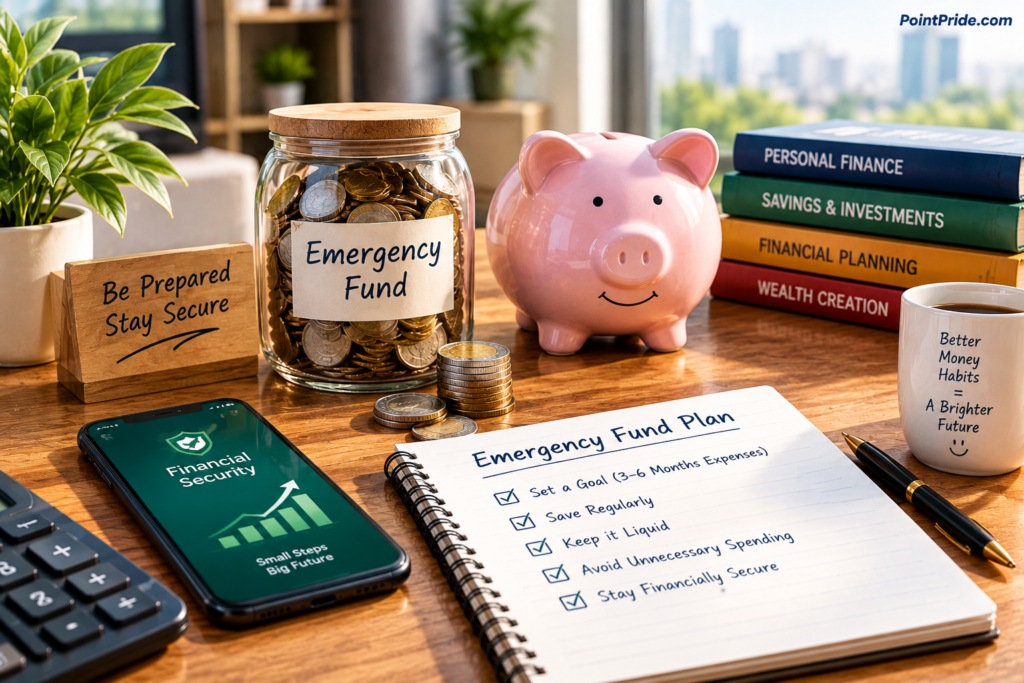
Failing to Build an Emergency Fund
An emergency fund is a must for planning.
It acts as a safety net for bills or job loss.
Try to save 3-6 months worth of living costs in a savings account you can easily reach.
Not Reviewing Your Budget Regularly
A budget should be dynamic not static.
It needs checks and updates.
Set up quarterly reviews to stay on track with your financial goals and make any needed changes.
Mixing Business and Personal Finances
If you’re self-employed or have a side hustle it’s vital to keep your business money separate.
This makes financial reporting and tax prep easier.
Open a separate business bank account to keep things organized.
Knowing these budgeting mistakes and how to sidestep them can help you make a better budget.
Using a Budget to Support Long-Term Goals
• Regularly. Adjust your budget.
• Account for all expenses, including seasonal ones.
• Avoid restrictive budgets.
• Track small daily expenditures.
• Build an emergency fund.
• Keep business finances separate.
Building Sustainable Budgeting Habits
It helps you manage your income and expenses.
This way you can stop living from one salary to the next and build wealth over time.
Methods like the 50/30/20 budget rule and the envelope system help manage money.
Automating savings and using tax-saving tools also boost your health.
Diversifying your income adds to your stability.
Avoiding budgeting mistakes and using tools for tracking is essential.
This keeps you on track. Helps you make smart financial choices.
Mastering budgeting lets you control your finances gain independence and look forward to a prosperous future.
FAQ
What is the benefit of the 50/30/20 budgeting rule?
The 50/30/20 rule helps you manage your money well.
It suggests using 50% for needs 30% for wants and 20% for savings.
This way you save money while enjoying your life keeping your finances healthy.
How does Zero-Based Budgeting differ from expense tracking?
Zero-Based Budgeting is different from just tracking expenses.
It’s a method that assigns every rupee to a category until you reach zero.
This way you avoid wasting money and make sure you’re using your income wisely.
Which digital tools are most effective for tracking expenses in the Indian market?
In India apps like Walnut Money Manager and ET Money work well.
They track expenses by analyzing bank SMS alerts.
Apps like Spendee or Google Sheets also help visualize your spending.
How can I maximize my savings through tax-saving instruments?
Use Section 80C deductions in India to save more.
Investing in ELSS PPF and NPS reduces taxes. Grows your money.
Set up transfers to stay on track with your investments.
What are the common mistakes to avoid when creating a personal budget?
Don’t forget to include annual or seasonal costs like insurance or holiday gifts.
Avoid making a budget too tight as it can lead to giving up.
Always have an emergency fund. Review your budget monthly to adjust as needed.
What does it mean to “Pay Yourself ” and why is it effective?
Paying Yourself First means saving money right after you get paid.
It’s like treating your savings as a must-do before spending on things.
This approach helps you reach freedom faster.
How can I reduce fixed obligations, like housing and utilities?
To lower fixed costs think about refinancing loans or negotiating bills.
You can also use energy- appliances to cut down on utility bills.
Downsizing or finding a roommate can help with housing costs.
How do I distinguish between fixed and variable income when budgeting?
Fixed income is your salary or payments.
Variable income comes from bonuses, commissions or side jobs.
Budget based on your fixed income and use income to save or pay off debt.
Budgeting for Indian household expenses
Primary sources: For banking and payment-system information, check https://www.rbi.org.in/.